
Specialized Food Industry Washers
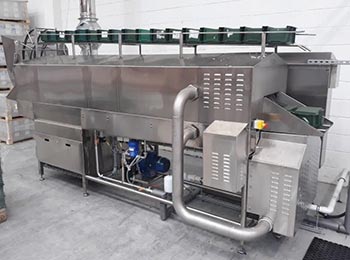
Purpose-Built Washing Systems for Non-Standard Food Processing Equipment
Every food processing facility faces unique cleaning challenges, especially when equipment and containers fall outside standard sizes or shapes. From gastronorm trays used in meal preparation to stainless steel euro bins and buggies for ingredient transport, specialized equipment requires dedicated washing solutions to maintain hygiene, efficiency, and compliance.
Sanicore Systems provides specialized food industry washers designed to meet the exact sanitation demands of food and beverage environments. These systems are engineered to clean hard-to-wash items with complex geometries, heavy residues, or high reuse frequency, helping facilities maintain consistent hygiene standards while supporting efficient production workflows.
Key Advantages of Specialized Food Industry Washers
- Designed specifically for non-standard containers, tools, and equipment
- Consistent removal of heavy food soils, proteins, fats, and baked-on residues
- Improved sanitation outcomes compared to manual or improvised cleaning methods
- Reduced labor demands and improved operator ergonomics
- Configurations available for batch or continuous washing environments
- Built to support USDA, FDA, HACCP, and GFSI-aligned sanitation programs
Specialized Food Industry Washer Applications
Specialized washing systems are used throughout food production facilities where conventional washers are not effective. Common applications include:
- Gastronorm tray washing for commercial kitchens, ready-meal production, and institutional food service
- Buggy washers in meat and poultry processing plants cleaning stainless steel buggies used for protein handling
- Euro bin washers for ingredient storage and transport in bakeries, dairy facilities, and sauce preparation areas
- High-care zones requiring frequent washing of ingredient containers to prevent cross-contamination
- Facilities requiring CIP-level cleanliness for reusable transport vessels and portioning equipment
These systems help maintain hygienic conditions while reducing manual handling and improving cleaning consistency across shifts.
Important Considerations When Selecting Specialized Food Industry Washers
Choosing the right specialized washer depends on the specific equipment and operational demands within your facility. Key factors to evaluate include:
- Type and size of items being cleaned, such as buggies, euro bins, or gastronorm trays
- Material compatibility, including stainless steel, aluminum, and food-grade plastics
- Level of soiling, from light residues to heavy grease or dried-on food soils
- Frequency of use and daily throughput requirements
- Loading and unloading method, including ergonomic handling or conveyor integration
- Water, energy, and detergent usage, including recirculation and filtration options
- Compliance with food safety standards such as USDA, FDA, and HACCP
- Available space and layout integration within your existing sanitation area
Frequently Asked Questions
What is gastronorm washing, and why is a specialized washer needed?
Gastronorm trays have standardized footprints but vary in depth and usage. A dedicated washer ensures all trays are thoroughly cleaned and sanitized regardless of residue type or material.
Can one washer clean both euro bins and buggies?
Some systems are designed for multi-purpose use and can accommodate both euro bins and buggies with proper guides and accessories. Configuration depends on size, weight, and handling requirements.
How are buggy washers typically loaded?
Buggy washers are commonly front- or side-loaded and may include tilting mechanisms or hoist-assisted loading to reduce operator strain.
Are specialized food industry washers fully automated?
Many systems offer automated wash cycles, filtration, and optional drying. Semi-automated options are also available depending on workflow and production volume.