
Trolley and Dolly Washing Systems
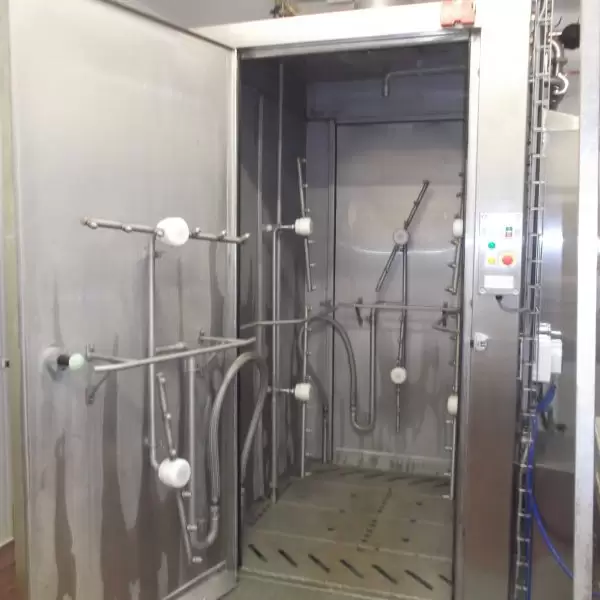
Reliable sanitation for mobile transport equipment in food and beverage facilities
Food and beverage processing environments must maintain strict hygiene standards for transport equipment as well as food-contact surfaces. Trolleys and dollies are used throughout production facilities to move raw materials, ingredients, and finished products. Without proper sanitation, they can become a source of cross-contamination between clean and dirty zones.
Sanicore Systems works with trusted manufacturers to provide durable, purpose-built trolley and dolly washing systems designed for food industry applications. From compact batch washers to high-capacity tunnel systems, these solutions help facilities maintain compliance, reduce labor, and keep material handling equipment production-ready.
Key Advantages of Trolley and Dolly Washing Systems
- Thorough cleaning of mobile equipment that moves between processing areas
- Reduction of cross-contamination risks between raw and finished product zones
- Consistent, repeatable wash results compared to manual cleaning
- Support for food safety programs including USDA, FDA, and HACCP requirements
- Options for batch or continuous washing to match production throughput
- Durable stainless steel construction designed for washdown environments
Click on a gallery photo to enlarge
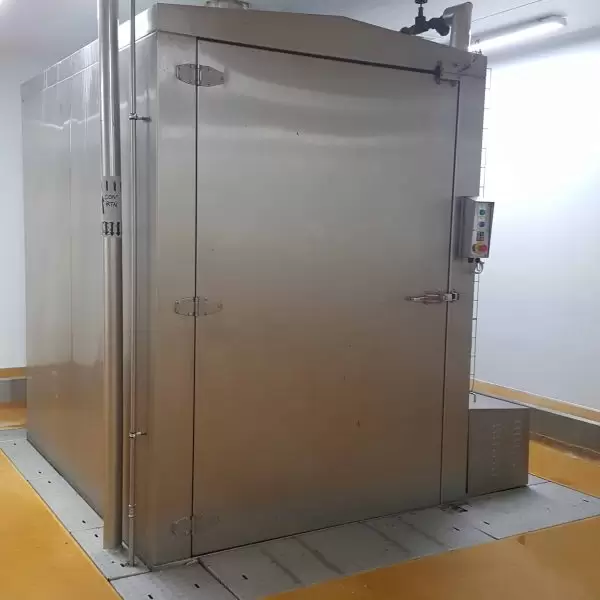
Trolley and Dolly Washing System Applications
Trolley and dolly washers are used in a wide range of food and beverage production environments where transport equipment requires routine sanitation.
- Ready meal manufacturers cleaning multipurpose trolley racks used in preparation and assembly areas
- Meat and poultry processing facilities washing stainless steel trolley racks used for transporting cuts and trimmings
- Bakeries sanitizing ingredient dollies and proofing trolley racks
- Dairy production lines cleaning dollies used for cheese molds or milk crates
- Beverage plants washing trolley racks used in bottling and packaging areas
A dedicated trolley and dolly washing system helps maintain audit readiness while supporting efficient material flow through the facility.
Important Considerations When Purchasing Trolley and Dolly Washing Systems
Before selecting a trolley or dolly washer, it’s important to evaluate your facility’s operational needs and sanitation requirements.
- Size and type of trolleys, racks, or dollies used in your operation
- Volume of equipment to be washed per shift or per day
- Level and type of contamination such as grease, protein, or debris
- Space constraints and layout requirements for washer installation
- Desired level of automation versus manual operation
- Water, energy, and chemical efficiency features
- Ease of access for cleaning, inspection, and maintenance
- Regulatory compliance and food safety certification requirements
Frequently Asked Questions
What is the difference between a trolley/rack washer and a dolly washer?
Trolley or rack washers are typically designed for larger or taller transport racks, while dolly washers are optimized for smaller, low-profile wheeled units. Many systems can be configured to handle both with the appropriate guides or fixtures.
Can trolley and dolly washers handle heavily soiled equipment?
Yes. These systems often combine high-pressure spray, heated water, and detergents to remove stubborn residues common in food processing environments.
How many units can be washed at once?
Capacity depends on the system design. Some washers clean one or two units per cycle, while tunnel washers can clean multiple trolleys or dollies continuously for high-throughput operations.
Are custom configurations available?
Yes. Trolley and dolly washers can be adapted to specific equipment sizes, workflow layouts, and sanitation needs, including automated loading and unloading options.
What materials can these systems clean?
They are designed to clean stainless steel, food-grade plastics, and other materials commonly used in food-safe transport equipment.