Key Takeaways
- Bulk bins and dolavs can become major contamination vectors when not cleaned consistently.
- Manual cleaning often leads to inconsistent sanitation, excess labor costs, and audit risk.
- Residual moisture, organic buildup, and hard-to-reach corners can promote biofilm formation.
- Automated dolav washers improve cleaning consistency, sanitation validation, and throughput.
- Proper wash system design helps facilities reduce pathogen risk while supporting compliance goals.
- Sanicore Systems provides industrial washing solutions designed for demanding food processing environments.
Bulk bins, dolavs, and large reusable containers play a critical role in modern food processing. They move raw ingredients, in-process product, and finished goods throughout a facility, often multiple times per day. While these containers are essential to production, they can also become one of the most overlooked contamination risks in a plant.
If bins are not properly cleaned between uses, they can harbor food residue, moisture, allergens, and harmful microorganisms. In high-risk environments such as meat, poultry, dairy, and ready-to-eat food production, that risk can quickly become a serious food safety issue.
That is why more facilities are rethinking how they clean bulk bins and turning to automated dolav washers as a smarter, more reliable sanitation solution.
Why Bulk Bin Sanitation Matters
Large reusable bins are exposed to constant contamination opportunities.
They may carry:
- Raw proteins
- Powders and dry ingredients
- Dairy residue
- Oils and fats
- Moist organic matter
- Allergen-containing materials
Even after emptying a bin, residual product often remains in seams, corners, drain points, and structural ribs. These areas are notoriously difficult to clean manually. When residue remains, it creates conditions for microbial growth.
Potential contamination risks include:
- Cross-contamination between product runs
- Allergen transfer
- ATP test failures
- Biofilm development
- Pathogen growth, including Listeria and Salmonella
For sanitation managers, the concern goes beyond cleanliness. The question is whether cleaning methods consistently meet documented sanitation standards.
The Hidden Problems with Manual Bin Washing
Many facilities still clean dolavs using hoses, foam stations, or pressure washers. At first glance, this may seem adequate. In reality, manual washing creates several operational challenges.
Inconsistent Cleaning Results
Manual cleaning depends heavily on operator technique.
Different employees may:
- Use different wash times
- Miss critical surfaces
- Apply inconsistent water pressure
- Skip difficult-to-reach areas
That inconsistency can lead to unpredictable sanitation outcomes. One shift may pass ATP testing, while another struggles with repeated failures.
High Labor Requirements
Cleaning large bins manually is physically demanding and time-consuming.
Manual washing often requires:
- Multiple employees
- Significant floor space
- Long cleaning cycles
- Repetitive handling of heavy containers
As labor costs continue rising, manual cleaning becomes increasingly expensive.
Water and Chemical Waste
Manual cleaning often uses more resources than necessary.
Common inefficiencies include:
- Excessive water use
- Overapplication of chemicals
- Poor chemical dwell time control
- Inefficient rinse cycles
These issues raise operating costs while creating wastewater management challenges.
Increased Audit Risk
Food safety audits increasingly focus on sanitation validation and documented process control.
Auditors often want evidence of:
- Repeatable cleaning procedures
- Verified sanitation effectiveness
- Reduced contamination risk
- Preventive controls for food contact and adjacent surfaces
Manual systems can make documentation difficult.
How Biofilm Forms in Bulk Bins
Biofilm is one of the biggest hidden sanitation threats in food facilities. It forms when microorganisms attach to a surface and produce a protective matrix. Once established, biofilm becomes much harder to remove than loose contamination.
Bulk bins create ideal biofilm conditions because they often experience:
- Moisture retention
- Product residue
- Temperature fluctuations
- Infrequent deep cleaning
Problem areas commonly include:
- Corners
- Weld seams
- Handles
- Undersides
- Drain channels
- Reinforced ribs
Without thorough cleaning and proper drying, microbial colonies can persist through multiple production cycles.
This is especially concerning in facilities battling recurring environmental pathogen issues.
What Is a Dolav Washer?
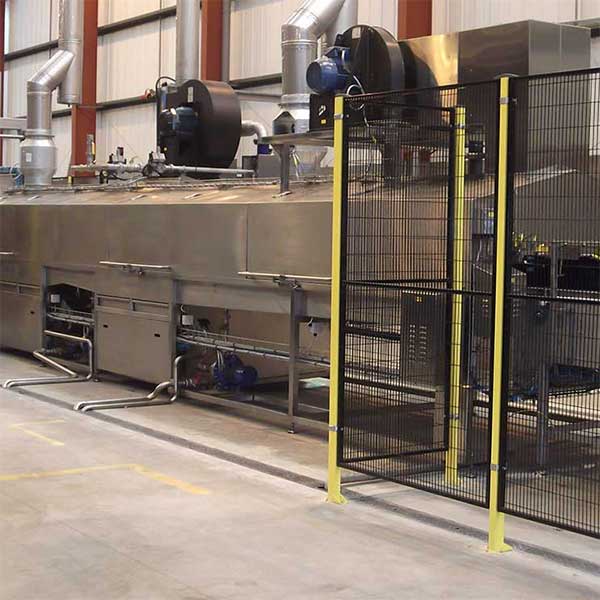
A dolav washer is an automated industrial washing system designed specifically to clean large reusable bins, bulk containers, dolavs, pallets, and similar material-handling equipment. Instead of relying on manual labor, automated washers use engineered wash cycles to deliver consistent, repeatable cleaning.
Typical wash stages include:
- Pre-rinse
- Detergent wash
- High-pressure spray cleaning
- Sanitizing rinse
- Final rinse
- Drying or blow-off
The result is more reliable cleaning with less labor variability.
Benefits of Automated Dolav Washers
Improved Cleaning Consistency
Automation standardizes the cleaning process. Each wash cycle uses controlled:
- Temperature
- Pressure
- Chemical concentration
- Cycle duration
- Spray coverage
This creates repeatable sanitation results across every shift. For facilities struggling with inconsistent ATP swab results, consistency alone can justify the investment.
Better Contamination Control
Automated systems are designed to reach difficult surfaces that manual washing often misses. High-impact spray systems can clean:
- Interior walls
- Exterior surfaces
- Bottom panels
- Structural cavities
- Recessed corners
This improves removal of residue and reduces microbial harborage points.
Lower Labor Costs
Automated washing reduces manual handling and cleaning time. Instead of assigning multiple employees to wash bins by hand, facilities can automate much of the process and reallocate labor to higher-value tasks.
This helps improve overall sanitation productivity.
Faster Throughput
High-volume facilities often need clean bins available quickly. Automated dolav washers support higher throughput by reducing cycle times and eliminating cleaning bottlenecks.
This helps keep production moving without sanitation delays.
Improved Audit Readiness
Automated systems support documented sanitation programs. This helps facilities demonstrate:
- Controlled cleaning procedures
- Standard operating compliance
- Repeatable sanitation performance
- Risk reduction measures
That documentation can be crucial during USDA, FDA, SQF, and customer audits.
When Should You Consider a Dolav Washer?
An automated dolav washing system may be worth evaluating if your facility is experiencing any of these issues:
- Rising sanitation labor costs
- Repeated ATP failures
- Persistent contamination concerns
- Frequent allergen changeovers
- Production slowdowns due to bin shortages
- Upcoming regulatory audits
- Recurring pathogen findings
Facilities processing high-risk products often see the greatest benefit. Examples include:
- Meat and poultry
- Dairy
- Seafood
- Bakery
- Frozen foods
- Ready-to-eat foods
- Beverage production
How Sanicore Systems Helps Food Processors Improve Bin Sanitation
Sanicore Systems designs industrial washing solutions built specifically for food and beverage processing environments. Our dolav and bulk bin washing systems are engineered to help facilities improve sanitation consistency while reducing labor-intensive manual cleaning.
Key design advantages may include:
- Food-grade stainless steel construction
- High-impact wash coverage
- Application-specific wash configurations
- Integration with existing sanitation workflows
- Systems designed for demanding washdown environments
We understand that every facility has unique sanitation challenges. That is why we work closely with facilities to configure washing solutions around real-world sanitation goals.
If your facility is evaluating ways to strengthen sanitation performance and reduce manual cleaning challenges, the right washing system can make a measurable difference.
Contact the Sanicore Systems team to discuss your application and explore the best washing solution for your facility.