Key Takeaways
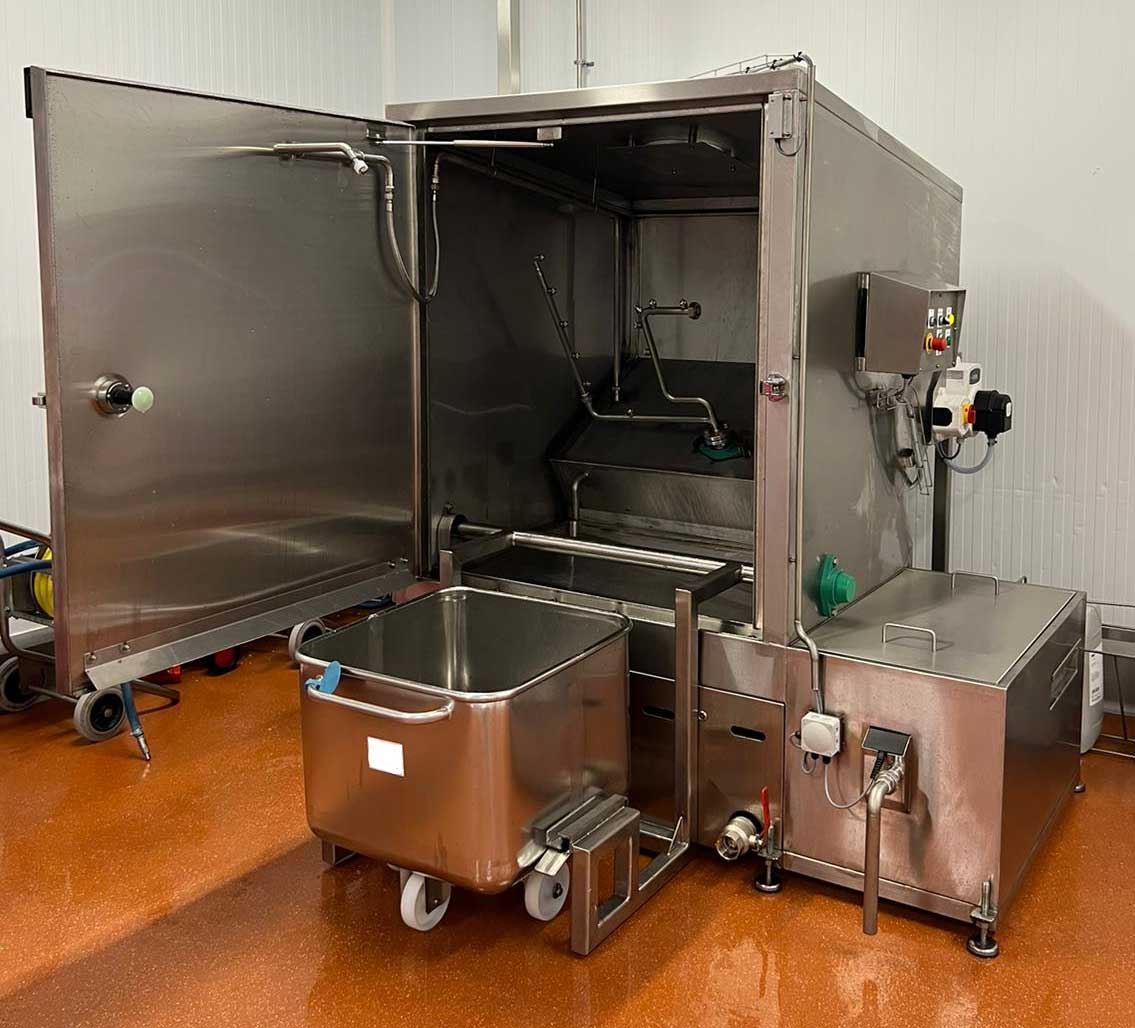
- An automated tote washing system becomes worth evaluating when manual cleaning can no longer reliably keep pace with production.
- Rising sanitation labor requirements, inconsistent cleaning results, and container backlogs are important warning signs.
- Automation can make the washing process more repeatable while reducing dependence on manual scrubbing.
- A bin washing system for food facilities should be selected around container dimensions, soil conditions, required throughput, available utilities, and plant layout.
- The decision should consider total operating costs and production impact, not simply the equipment purchase price.
- Facilities do not need to wait until the existing cleaning process fails completely before investigating automation.
Reusable bins and totes can improve material handling efficiency throughout a food processing facility, but every container that returns to production also has to be cleaned thoroughly and consistently. As production volumes increase, what once seemed like a manageable manual cleaning task can become a productivity roadblock. More employees are needed to keep pace, cleaning results can become less predictable, and dirty containers may begin accumulating faster than the sanitation team can process them.
At that point, the question is no longer simply whether automated washing would be convenient. It is whether the current cleaning process can continue supporting production, food safety, and labor requirements.
Is your facility here? These are 7 signs to watch for:
1. Bin and Tote Cleaning Is Becoming a Production Bottleneck
One of the clearest signs that it may be time to automate is simple: containers are not becoming available as quickly as production needs them.
Reusable totes and bins may circulate through ingredient handling, processing, storage, packaging, and other areas of a facility. When cleaning cannot keep pace with that circulation, the effects can spread beyond the sanitation department.
Watch for problems such as:
- Dirty containers accumulating during peak production periods
- Production teams waiting for clean bins or totes
- Sanitation shifts running longer to clear container backlogs
- Additional containers being purchased primarily to compensate for slow cleaning turnaround
- Washing activities interfering with other sanitation or production schedules
If container cleaning has become a constraint on production flow, increasing manual effort may provide only a temporary solution.
2. Manual Washing Requires Too Much Sanitation Labor
Labor is another major consideration when deciding when to automate tote cleaning. Manual bin and tote washing can involve pre-rinsing, scrubbing, chemical application, rinsing, handling, inspection, and moving containers into and out of the cleaning area. Multiply those steps by hundreds of reusable containers and the labor requirement can become significant. The challenge becomes even greater when sanitation departments are understaffed or experience frequent turnover.
An automated tote washing system can shift much of the repetitive cleaning process from employees to controlled equipment. Employees are still essential for loading, unloading, inspection, system operation, and sanitation oversight, but they can spend less time performing repetitive manual washing.
This makes automation particularly worth investigating when adding sanitation employees is becoming the primary strategy for keeping up with higher production volumes.
3. Cleaning Results Vary From Shift to Shift
Manual cleaning depends heavily on the person performing the work.
Two employees may interpret the same cleaning procedure differently. Results can also change when employees are rushed, when staffing is limited, or when production creates an unusually large volume of containers. For food processing operations, that variability deserves attention.
A properly specified automated system provides a more controlled and repeatable washing process. Rather than relying primarily on individual technique, the facility can establish defined operating parameters for the containers being processed.
Automation does not eliminate the need for sanitation procedures, inspection, verification, or employee training. It can, however, reduce some of the human variability inherent in a highly manual process.
4. Your Facility Is Using More Bins and Totes Than It Used To
Growth often exposes sanitation limitations that were not apparent when a facility was smaller. Perhaps production has expanded. A new product line has been introduced. More ingredients are being handled in reusable containers. The plant may have added another shift or changed from disposable packaging to reusable totes.
The washing process that worked at one production level may not be appropriate at the next.
Instead of just asking, “can our team wash these containers today?”, also consider, “can this process reliably support the number of containers we expect to wash two or three years from now?”
Planning for future throughput can prevent sanitation capacity from becoming an obstacle to production growth.
5. Employees Are Spending Too Much Time on Repetitive Manual Cleaning
Bin and tote washing is not only a labor-cost issue. It is also a question of how sanitation employees are being used.
Large containers can require repeated handling, positioning, rinsing, and scrubbing. Depending on the process, employees may also work around water, cleaning chemicals, and wet surfaces. If skilled sanitation employees spend a substantial part of each shift performing repetitive container washing, management should consider whether their time could be better directed toward tasks requiring human judgment.
Automation can allow the sanitation team to focus more attention on activities such as inspection, verification, documentation, equipment sanitation, and other critical hygiene responsibilities.
6. You Are Compensating for Cleaning Problems Instead of Solving Them
Facilities often adapt gradually to an inefficient process. A few more labor hours are added. Extra totes are purchased. Washing is moved to another shift. Employees create workarounds to manage the backlog.
Individually, these changes may seem reasonable. Collectively, they can indicate that the underlying washing process has reached its practical limit.
Look at the entire system rather than any single symptom. If your facility continually needs more labor, more containers, more washing time, or more scheduling flexibility simply to maintain the same production output, automation deserves closer evaluation.
7. The Cost of Manual Cleaning Is Becoming Difficult to Ignore
The purchase price of an automated washer is easy to see. The cost of continuing with an inefficient manual process can be harder to identify.
A useful evaluation should consider costs associated with:
- Sanitation labor devoted to container washing
- Overtime or additional shifts
- Production delays related to container availability
- Water, energy, and cleaning chemistry
- Rewashing containers that do not pass inspection
- Additional reusable container inventory
- Maintenance and operating costs
- Potential production growth
These factors can provide a more meaningful comparison between maintaining the existing process and investing in automation.
For facilities building a capital equipment justification, documenting current labor hours, container volumes, cleaning time, and production interruptions can provide a valuable starting point.
What to Consider in a Bin Washing System for Food Facilities
Recognizing that automation may be necessary is only the first step. The washer still needs to match the application.
Before evaluating equipment, document the actual requirements of your operation, including:
- Bin and tote dimensions
- Number of containers washed per hour or shift
- Types of food soils or residues being removed
- Required washing and rinsing processes
- Available floor space
- Water, drainage, electrical, and other utility requirements
- Loading and unloading workflow
- Current and anticipated production volumes
- Cleaning verification requirements
- Maintenance and operator access
A system that is undersized can simply replace one bottleneck with another. An unnecessarily complex system can add cost without delivering corresponding operational value.
Automate Tote Cleaning Before the Current Process Fails
Waiting for a sanitation process to become completely unmanageable is rarely the best time to begin planning an equipment project.
If the warning signs are already visible, gathering baseline data now can help your team determine whether automation makes operational and financial sense.
Sanicore Systems works with food processing facilities to evaluate industrial washing applications and identify equipment configurations for reusable bins, totes, trays, racks, containers, and other production items. The goal is not automation for its own sake. It is to develop a washing process that fits the facility’s actual container types, throughput requirements, sanitation needs, and production workflow.
Is an Automated Tote Washing System the Right Next Step?
If your facility is experiencing container backlogs, increasing sanitation labor requirements, inconsistent washing results, or growing production demands, it may be time to evaluate whether the current cleaning method is still appropriate.
Start by documenting how many bins or totes you wash, how long the process takes, how much labor it requires, and where delays occur. Those numbers can help establish whether an automated tote washing system has a strong operational case.
Contact the Sanicore Systems team to discuss your bin or tote washing requirements and explore an industrial washing system configured around your facility’s sanitation and throughput needs.